
Whether it is white or red, whether it comes from beef, pig, lamb, chicken, or turkey, the meat is the main source of protein for the body, providing all the essential amino acids.
In the ever-evolving conversation about health and wellness, the role of meat in our diets occupies a central stage, intertwining the threads of nutrition and personal choice into a complex narrative.
This blog post aims to dissect the multifaceted relationship between meat consumption and health, an overarching perspective that seeks to balance the scales of dietary guidance.
Meat has been revered for its delicious taste and nutritional contributions, particularly as a rich source of protein, essential amino acids, and key vitamins and minerals, such as iron and zinc. It’s a fundamental component of many traditional cuisines and cultural culinary practices.
Whether you’re a steadfast carnivore, a flexitarian, or anywhere in between, understanding the meta-perspective of meat’s nutritional benefits and risks is essential for making informed dietary choices that align with your health goals and ethical values.
Benefits

- Participates in the construction and maintenance of all tissues and organs through the amino acid content.
- Prevents anemia from increased iron content, especially red meat or chicken, and turkey breasts.
- 150 g of roast beef feeds 20% of the daily iron requirement for women and 25% of the daily iron requirement for men.
- It maintains the good functioning of the nervous system and increases concentration due to its vitamin content. B12.
- Turkey meat contains antioxidants (vitamin C, vitamin E, and selenium) that help prevent atherosclerosis.
- Vitamin D from red meat helps fix calcium in the bones.
Risks

- In meat, there are only saturated fats! Saturated fats in meat increase blood pressure and the risk of atherosclerosis.
- Often gives constipation because it does not contain fiber.
- In pork meat, there may be a parasite called Trichinella spiralis.
- Sausages and smoked foods contain a lot of salt, not recommended for people suffering from high blood pressure.
- Chicken legs have more fat and calories than the breast.
- Chicken and turkey skin are 100% fat.
- Beef is as fatty as pork.
Unlock The Simplest, Most Effective Way To Lose Weight For Good – The Custom Keto Meal Plan
With what we associate it correctly:
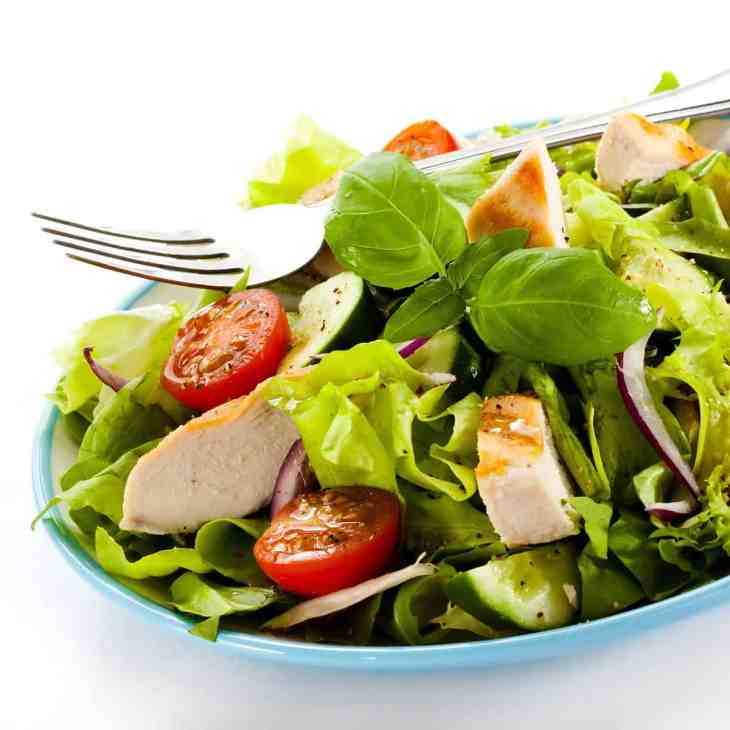
- With vegetables of any kind, for carbohydrate and fiber intake.
- With vitamin-rich products. C, B, and carotene (salads, carrots) as they increase the absorption of iron.
- With products that increase gastric acidity (fruit juice, vinegar), because proteins are digested easily in the acidic environment.
How do we cook it?

Cooking meat properly ensures both safety and optimal flavor while preserving valuable macronutrients.
Slow-roasting tougher cuts at 275°F transforms collagen into gelatin, creating fork-tender results without sacrificing moisture.
For steaks, the reverse-sear method—starting in a low oven before finishing in a screaming-hot cast iron—delivers restaurant-quality results with perfect edge-to-edge doneness.
Braising combines dry and moist heat techniques, ideal for preserving micronutrients that might otherwise be lost. Simply brown meat thoroughly, then simmer slowly in flavorful liquid until tender. I’ve found pressure cooking particularly effective for weeknight meals—reducing cooking time dramatically while concentrating flavors.
Whatever method you choose, always rest meat before slicing to redistribute juices throughout the protein fibers. Try to avoid oil frying as much as possible as a cooking method.
How often is it advisable to consume it?

Nowadays, there is no longer a problem of protein deficiency; usually, the daily meat consumption is 2 times higher than the body’s requirement.
Most nutrition experts recommend limiting red meat consumption to 1-2 servings weekly (3-4 ounces per serving) to balance benefits and risks. This moderate approach allows you to enjoy meat’s complete macronutrient profile—high-quality protein, iron, and B vitamins—while minimizing potential health concerns associated with excessive consumption.
Processed meats deserve even greater restraint, ideally reserved for occasional enjoyment rather than daily staples. I’ve personally adopted a “supporting role” approach, using small amounts of meat to complement plant-forward meals rather than dominating the plate.
This strategy maximizes exposure to diverse micronutrients from various food sources while still benefiting from meat’s nutritional advantages. Consider your individual health status, family history, and activity level when determining your optimal consumption pattern—what works for elite athletes may differ from sedentary individuals.
The Tropical Secret for Healthy Weight Loss – 100% Natural, GMO-Free, FDA Approved
Last Thoughts:
Red meat has been linked to heart disease and certain cancers, but has also been found to be beneficial in the energy department. So, how do we sort out the facts from the fiction?
The debate of whether or not to eat red meat is an ongoing one with many opinions on both sides of the table.
After reading this article, you should have a good idea of whether you want to abstain from eating red meat or if you should go ahead and add another helping to your plate.
This post contains affiliate links. Please read our Disclaimer for more info.
What do you guys think about my article?
Leave your thoughts below in the comment section! And if you like it, don’t forget to share it, and follow me on social media, Pinterest, Facebook, Instagram, Linkedin, and Bloglovin’. Thank you!
You may also like:
- “Good” fats vs “Bad” fats: 6 things you need to know
- The 9 gold rules for correct digestion
- The correct combination of foods
- Alkaline nutrition vs acidic nutrition
- How important is for our health that we have 3 main meals a day?!
- Obesity and its effects on health